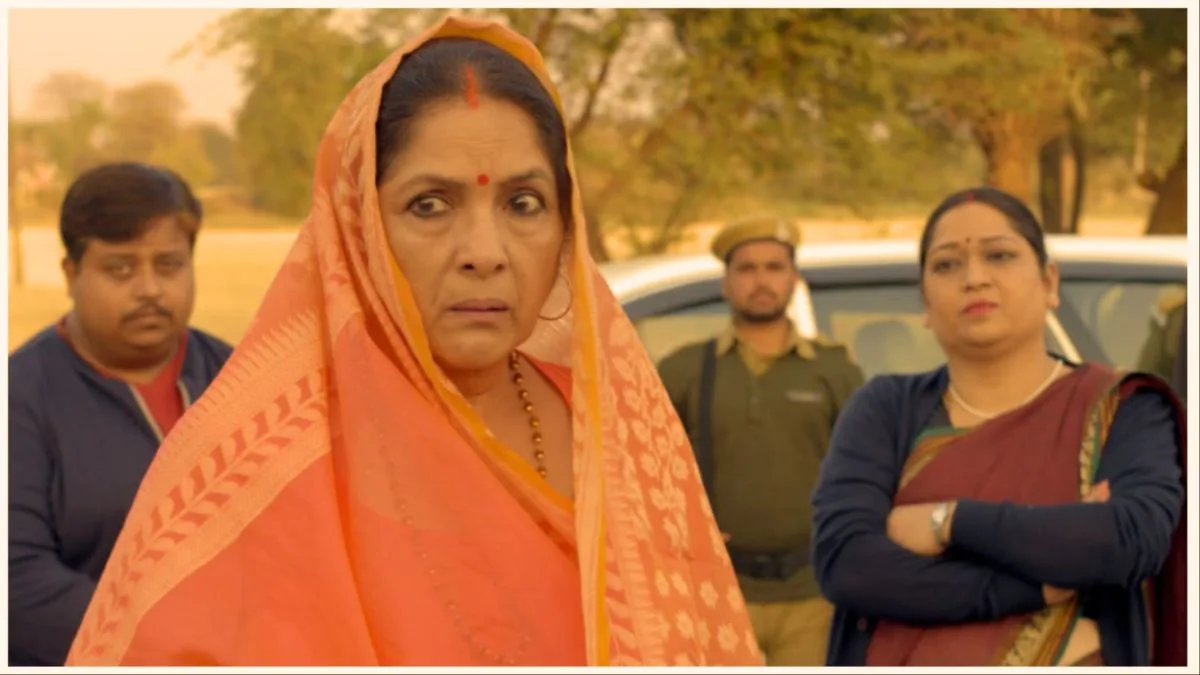
Neena Gupta is never one to hold back. And in a recent candid chat, the veteran actor pulled no punches about the reality women face in India, even in 2026.
The ‘Panchayat’ star revealed that patriarchy is alive and kicking inside many homes where women’s choices are still heavily policed especially after marriage. And yes, she even shared some personal family stories that are downright shocking.
Advertisement
‘Virgin bride’ obsession still alive
Neena was blunt when the topic of virginity came up. According to her, Indian society still clings to the idea of the “virgin bride.”
“They want a virgin wife,” she said. When pressed about whether things have really changed, she didn’t hold back: “What has changed now? Are you talking about India? Who says that people are open? A lot of things have not changed in our country.”
She explained that women who might seem modern or independent, those who dress well or speak freely, are actually the minority.
“You and I are minorities, we are not the real India,” she said. “Women still touch their father-in-law’s feet after putting pallu over their heads. People like us who dress well and talk nicely are not India.”
Family stories highlight everyday prejudice
Neena shared two vivid examples from her own family that show just how restrictive marital homes can be for women. In one case, a relative married a Mumbai businessman but refused to live with him and his family. When her father called a family meeting, it was over her decision to keep a picture of Sai Baba in her room, her mother-in-law insisted she replace it with the guru ‘they’ worshipped.
In another case, Neena’s niece was told she couldn’t keep a photo of her own family on her bedside table by her mother-in-law.
“We have a long way to go when it comes to changing the condition of women in the country,” Neena said. These anecdotes underline that societal control over women’s personal choices continues quietly but firmly.